Langurs
Semnopithecus & Trachypithecus
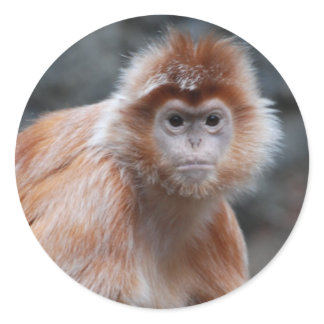
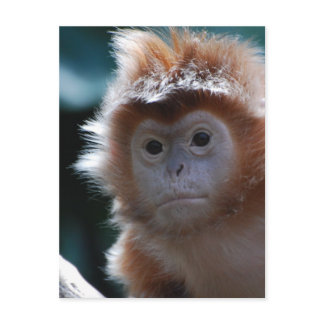
Langurs are leaf-eating Old World monkeys of South and Southeast Asia, long-tailed and often seen sharing space with people in temples and city parks.

Classification
- Kingdom
- Animalia
- Phylum
- Chordata
- Class
- Mammalia
- Order
- Primates
- Family
- Cercopithecidae
Other Names
Leaf Monkey, Hanuman Langur
Size
20–31 inches long; 11–40 lbs.
Description
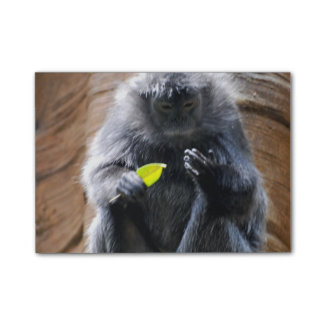
Grey or brown fur with a black face and hands, and a notably long tail.
Behavior
Both arboreal and terrestrial, often tolerant of and comfortable around people.
Diet
Primarily leaves, with fruit and flowers rounding out the diet.
Communication
Loud whooping calls, especially at dawn.
Habitat
Forests, and, in some regions, temples and urban parks across South and Southeast Asia.
Life Cycle & Society
- Gestation
- ~200 days
- Sexually Mature
- 3–4 years
- Life Span
- 20–30 years
- Athleticism
- Powerful leaps between trees and rooftops
- Conservation Status
- Varies; several Near Threatened–Endangered
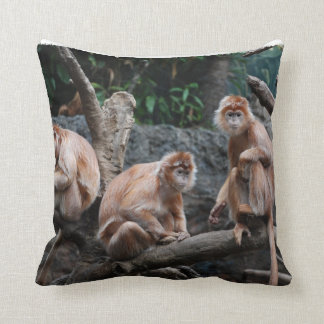
Langurs live in troops of 10–60, ranging from single-male to multi-male structures depending on species and habitat. Their tolerance of humans has made them a common sight in Indian towns and temple grounds for centuries.
Selected Species
Gray Langur
Semnopithecus entellusNilgiri Langur
Trachypithecus johniiCapped Langur
Trachypithecus pileatusPurple-faced Langur
Semnopithecus vetulus