Macaques
Macaca
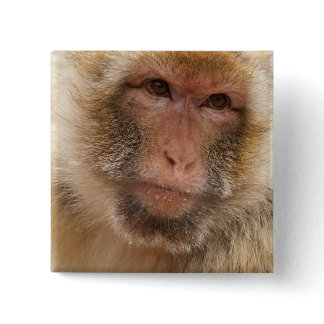
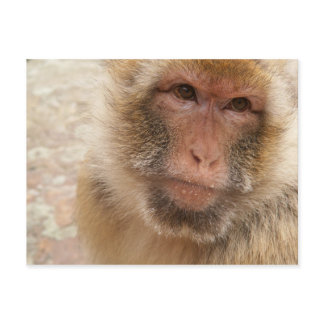
Macaques are the most widely distributed primate genus after humans, ranging from snowy Japanese mountains to tropical forests and city temples across Asia and North Africa.

Classification
- Kingdom
- Animalia
- Phylum
- Chordata
- Class
- Mammalia
- Order
- Primates
- Family
- Cercopithecidae
Other Names
Macaque
Size
16–28 inches long; 7–40 lbs, depending on species.
Description
Sturdy build with cheek pouches for storing food. Fur color and tail length vary widely by species.
Behavior
Both terrestrial and arboreal; among the most behaviorally adaptable of all primates.
Diet
Omnivorous — fruit, seeds, insects and small animals.
Communication
A wide vocal repertoire, expressive faces, and extensive social grooming.
Habitat
Forests, mountains, and even urban and temple environments across Asia and North Africa.
Life Cycle & Society
- Gestation
- ~5.5–6 months
- Sexually Mature
- 3–5 years
- Life Span
- 25–30 years
- Athleticism
- Excellent swimmers and climbers
- Conservation Status
- Varies; several species Endangered
Macaques live in large multi-male, multi-female troops with strict, matrilineal dominance hierarchies. Social bonds are reinforced constantly through mutual grooming, and troops can number from a dozen to several hundred individuals.
Selected Species
Rhesus Macaque
Macaca mulattaJapanese Macaque
Macaca fuscataBarbary Macaque
Macaca sylvanusLong-tailed Macaque
Macaca fascicularisLion-tailed Macaque
Macaca silenusPig-tailed Macaque
Macaca nemestrina